- Medicated Quail Feed for Treatment of Parasitic Infections
- info@quailguard.com
Ronald Kendall received an individual award from the Texas Commission on Environmental Quality for developing medicated feed to restore a key game population.
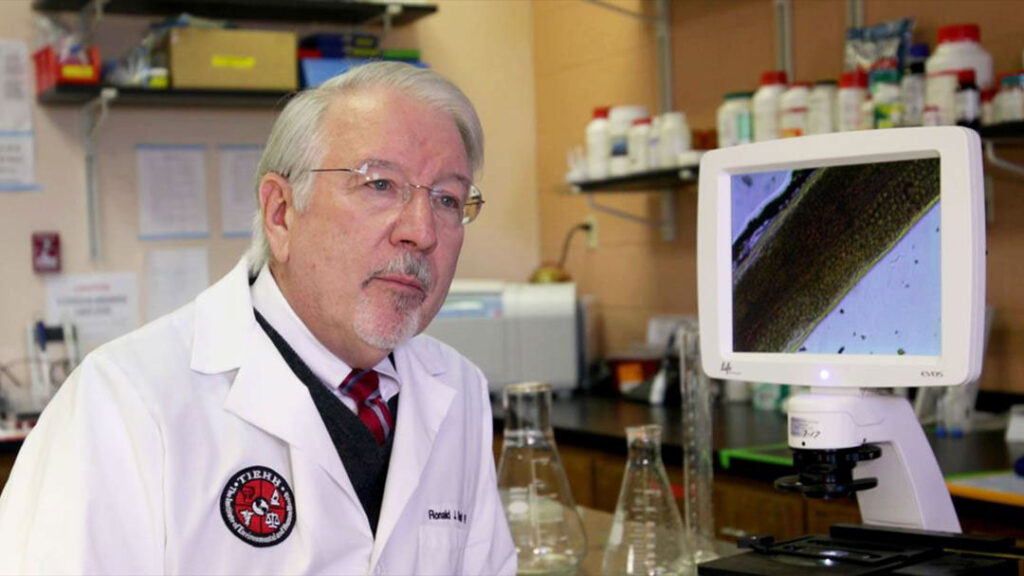
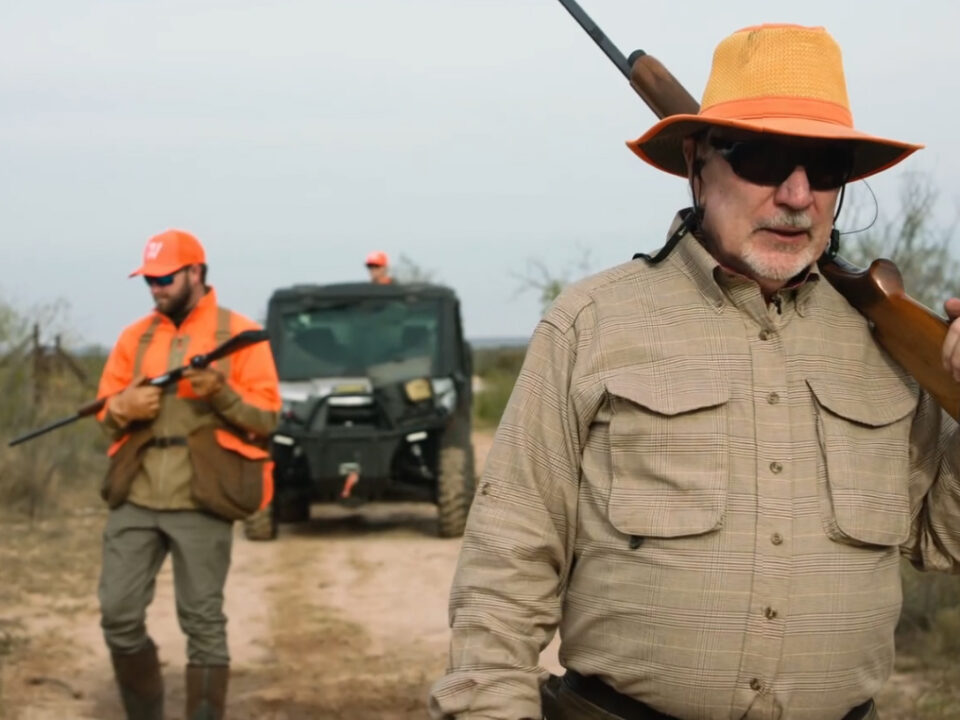
Thanksgiving Day of 1964 is a day Ronald Kendall, a professor in Texas Tech University’s Department of Environmental Toxicology, will never forget.
It was the culmination of years of tagging along with his grandfather and his Llewellin setter, Fannie, on early morning quail hunts, attentively watching and listening to instructions from a seasoned outdoorsman. Though the 12-year-old Kendall had first been introduced to the sport at the age of six, he had never pointed a gun and shot at live birds.
Until that day. When South Carolina’s most famous game population was much higher than it is now, hunting season always opened on Thanksgiving. And after years of anticipation and likely incessant badgering, Kendall’s parents finally gave him the green light to use live ammunition while out with his grandfather, who had traveled the short distance from his own home with Fannie for the occasion.
It was a crisp fall morning in Florence County, with frost still on the ground and the sky a demure shade of blue even approaching nine o’clock; the sun lazily rising from its slumber as grandfather and grandson left Kendall’s home and headed for the woods.
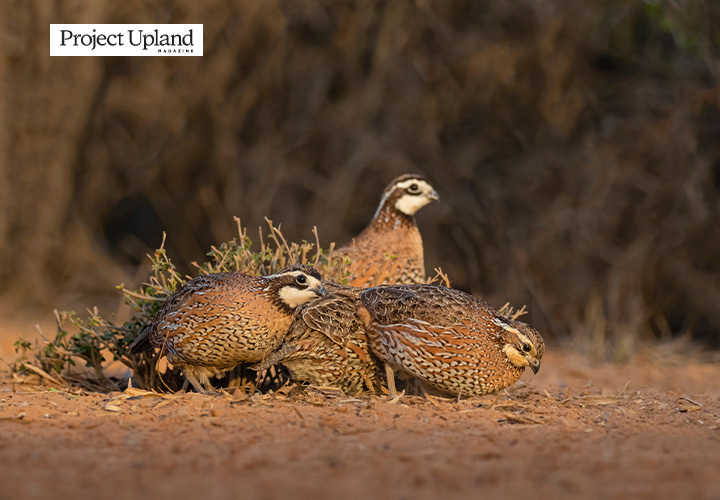
Within a few hundred feet from the front door, their prized bird dog had already picked up the scent of roughly 20 quail feeding in a circle. Fannie froze on point, one leg in the air, her tail pointing toward the heavens and the rest of her directed at the birds. The time was drawing near for Kendall to take his first shot at a wild quail over a pointed bird dog.
His grandfather nudged the nervous adolescent to walk in front of Fannie and aim his single shot .410 Gauge shotgun, instructing Kendall to pick one bird at the covey flush of the quail and out of the group, focus on one bird to take the shot.
Suddenly, the sky erupted in quail. In a split second, Kendall fixated on a bird flying in front of him. He pointed his gun, closed his eyes and fired.